
- Series and technology differ, so compare feature lists rather than names
- Skin sensitivity and beard type should guide the choice of shaving system
- Blade replacement and warranty terms affect long-term use
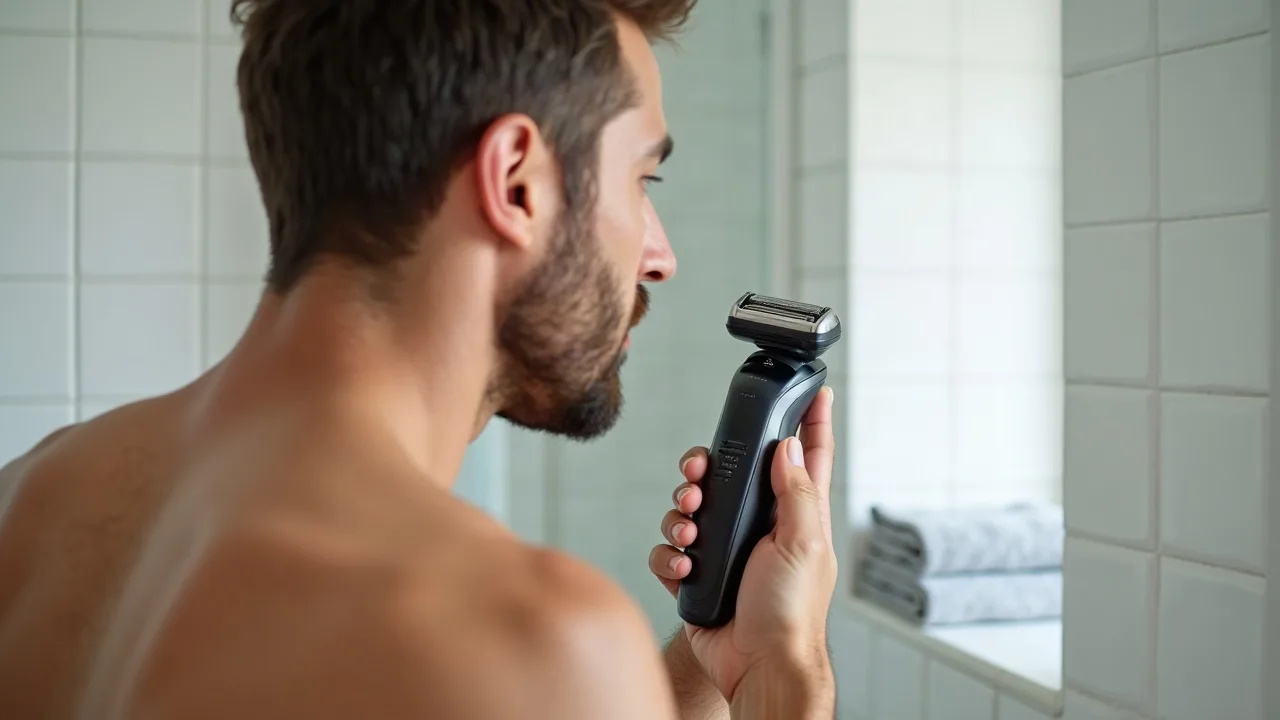
A Philips Shaver is usually an electric rotary shaver, and the range is organised into series such as 5000, 7000 and i9000 Prestige. The names suggest a hierarchy, but the practical differences lie in the shaving heads, the sensor technology, the skin-care features and the handling. This guide covers the questions worth answering before choosing a model.
Which series suits the way I shave?
Philips groups its shavers by series, and each series bundles a set of technologies. Models in the 5000 range appear in several versions with different feature sets. Some focus on flexible heads and curved blades, while others add sensor-based adjustment. The 7000 series and the i9000 Prestige are positioned above them and add further refinements to the cutting system.
Rather than relying on the series number alone, it helps to read the specification of the individual model. Points worth checking include:
- Head design: flexible heads that turn to follow the contours of the face, and whether the head has guides to lift flat-lying hairs.
- Sensor technology: some models, described as SkinIQ or Power Adapt, read hair density and adjust the shaver's performance accordingly.
- Precision options: the i9000 Prestige descriptions mention a compact flexible head for areas such as the neck and beneath the nose.
- Blade type: ComfortTech, PowerCut and SteelPrecision are different blade systems, all described by the manufacturer as self-sharpening.
How sensitive is my skin, and what does the shaver offer for it?
Skin comfort is the most common reason for choosing one shaver over another. Philips describes several approaches. SkinProtect and SkinIQ are the brand's names for technologies intended to keep the shave comfortable, while a micro-bead coating on the shaving heads is meant to reduce friction. These are manufacturer descriptions, and individual experience varies with skin type, shaving habits and beard growth.
Anyone prone to irritation should look at how a model deals with pressure and friction, and whether it can be used with shaving foam or gel. Wet and dry models can be used on dry skin or with foam or gel on wet skin. Some users find one method noticeably more comfortable than the other, and it is worth knowing that the option exists.
Does the shaver cope with my beard growth?
Beard density, hair direction and shaving frequency all affect which cutting system works well. Someone who shaves daily and has fine growth has different needs from someone who shaves every few days. Several Philips descriptions refer to cutting hair growing in different directions in a single pass, and to handling a longer beard after a few days without shaving.
Sensor-equipped models adjust to hair density during use. Models without this feature rely on the cutting system alone, which can be perfectly adequate for regular maintenance shaving. If the shave is done in a hurry, a larger head and good flexibility around the jawline may matter more than extra technology.
What about handling, upkeep and warranty?
Day-to-day practicality is easy to overlook. A few points deserve attention before buying:
- Grip: some models mention a non-slip rubber area, which is useful if the shaver is used with wet hands or foam.
- Charging and power: the specification lists how the shaver is charged and what accessories are included. These details differ between models.
- Blade life: self-sharpening blades still wear. Manufacturers give guidance on when to replace the shaving heads, and the replacement parts should be available for the specific model.
- Warranty: some listings mention an extended warranty, sometimes subject to registration or conditions. The exact terms are worth reading on the retailer's or manufacturer's page.
- Cleaning: regular rinsing and following the cleaning instructions help keep the shaving heads working as intended.
Is a rotary shaver the right type for me?
Philips rotary shavers use round heads that move independently. This design tends to suit people who like to move the shaver in circular motions and who want the heads to follow curves such as the chin and jawline. Foil shavers, which use a straight cutting surface, work differently and may suit others better, particularly people who prefer straight strokes. Habit plays a large part, and anyone switching from a manual razor or a foil shaver may need a short period to adjust to a different technique.
People who also want to shape a beard or sideburns should check whether the model includes a trimmer attachment, since not all do.
Live from the comparison Ranking and prices: as of today 10:35

Philips Shaver i9000 Prestige, Wet & Dry Electric Shaver, Dark Slate Nova, with Skin IQ Te...
- From the #1 electric shaver brand¹, with up to 5 years warranty⁴: discover long-...
- Precision in hard-to-shave areas like the neck and under the nose: the new flexi...
- Efficient in every pass, even on a 7-day beard: designed to cut hair in any dire...
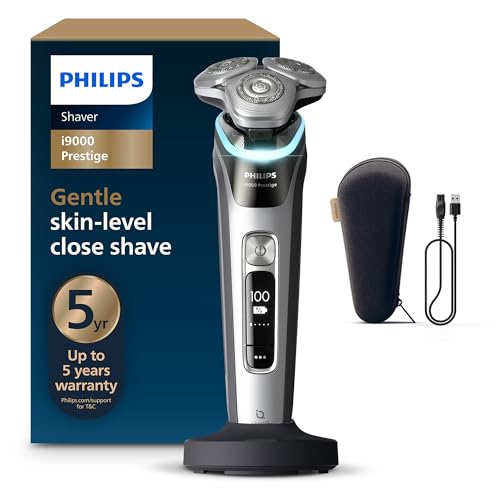
Philips Shaver i9000 Prestige, Wet & Dry Electric Shaver, Dark Slate Nova, with Skin IQ Te...
- From the #1 electric shaver brand¹, with up to 5 years warranty³: discover long-...
- Precision in hard-to-shave areas like the neck and under the nose: the new flexi...
- Efficient in every pass, even on a 7-day beard: designed to cut hair in any dire...

Philips Shaver Series 7000 - Wet & Dry Mens Electric Shaver with SkinIQ Technology, Razor...
- From the #1 electric shaver brand¹ with 5-year warranty : Philips Shaver Series...
- Cuts more with every stroke²; 45 self-sharpening SteelPrecision Blades cut 90,00...
- Hair trimmer for men with 30% smoother gliding³: micro-bead coating reduces fric...
Conclusion
Choosing a Philips Shaver comes down to matching the technology to skin type, beard growth and shaving habits, rather than to the series name. Comparing head design, sensor features, wet and dry options, accessories and warranty terms gives a clearer picture than headline claims. Once those points are settled, the remaining differences between models are usually small enough to come down to personal preference.