What matters when buying Chainsaws
Types of Chainsaws
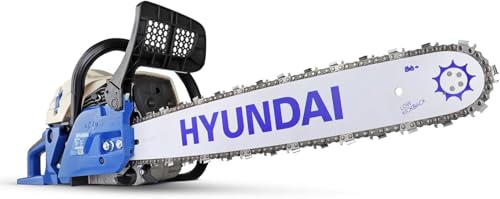
Chainsaws can be categorised into two main types: petrol and electric. Petrol chainsaws are typically more powerful and suitable for heavier tasks such as felling trees or cutting larger logs. They are generally more portable since they do not require a power source, making them ideal for remote locations. However, they can be heavier and noisier, and they require regular maintenance.
Electric chainsaws, on the other hand, are often lighter and quieter, making them suitable for smaller tasks like trimming branches and cutting firewood. They come in two forms: corded and cordless. Corded chainsaws offer continuous power but limit mobility due to the need for an electrical outlet. Cordless chainsaws provide more flexibility and ease of use but rely on battery life, which can be a consideration for longer jobs.
Power and Performance
The power of a chainsaw is usually measured in cubic centimetres (cc) for petrol models and watts (W) for electric models. A higher cc or wattage typically indicates more cutting power, which is essential for tackling tough materials. Additionally, the bar length, which can range from around 12 inches to over 20 inches, plays a significant role in determining the chainsaw's cutting capacity. Longer bars can cut through larger wood pieces but may be more challenging to handle. Chain speed, measured in metres per second (m/s), also impacts performance, with higher speeds facilitating quicker cuts.
Weight and Ergonomics
The weight of a chainsaw is an important consideration, especially for extended use. Heavier models can lead to fatigue, while lighter models are easier to manoeuvre. Ergonomic designs, including comfortable grips and balanced weight distribution, can enhance user experience and reduce strain during operation. Vibration reduction features are also beneficial, as they help minimise discomfort during prolonged use.
Safety Features
Safety is paramount when using chainsaws. Look for models equipped with safety features such as chain brakes, which stop the chain immediately in case of kickback, and hand guards that protect the user from debris. Automatic chain lubrication systems can also enhance safety by ensuring the chain remains well-lubricated, reducing the risk of overheating and malfunction. Always consider the safety ratings and recommendations provided by manufacturers to ensure proper usage and maintenance.
Footnotes
* Terms such as "best" and similar expressions reflect our personal assessment.
** Prices and availability may have changed since they were last retrieved. The price shown by the seller at the time of purchase applies.
Further important information
We may receive a commission if you make a purchase via the links on our site. This has no impact on the placement of the products on our site. Our website is part of amazon associates program - Amazon, Amazon Prime, the Amazon Logo and Amazon Prime Logo are registered trademarks of Amazon, Inc. or its affiliates. Disclaimer: