What matters when buying Lenovo
Choosing the Right Lenovo Device
When selecting a Lenovo device, consider the primary purpose of the product. Different models cater to various needs such as productivity, entertainment, or casual use. Laptops typically offer more power and larger screens, making them suitable for tasks such as video editing, programming, or gaming. Tablets are generally more portable and user-friendly for casual browsing and media consumption. Understanding the primary use case can significantly narrow down the options.
Specifications to Consider
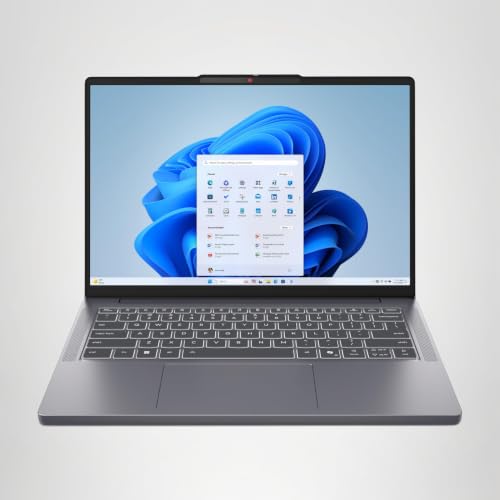
Key specifications play a crucial role in determining the performance of Lenovo devices. For laptops, the processor is vital; options include Intel Core or AMD Ryzen, with higher numbers indicating better performance. RAM is also important; typically, 8 GB is adequate for basic tasks, while 16 GB or more is advisable for more demanding applications. Storage type and capacity, such as SSD versus HDD, can impact speed and availability of space for files and applications.
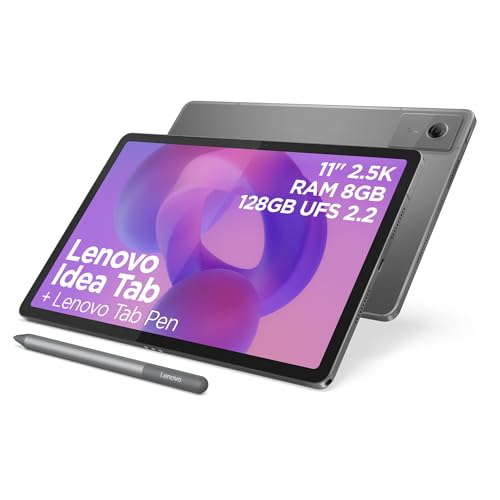
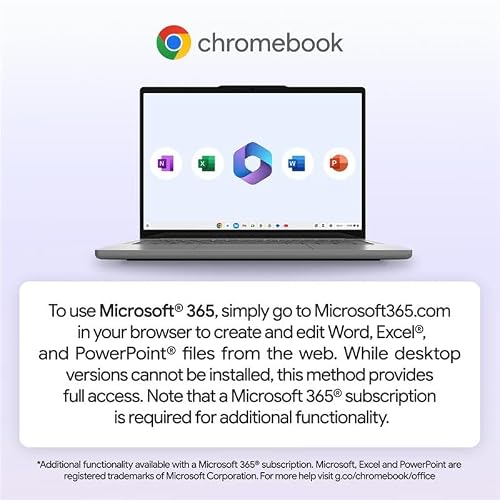
For tablets, screen quality is paramount. Look for resolutions like 2.5K for sharper images and better viewing experiences. The refresh rate, such as 90Hz, can enhance smoothness during interactions, particularly in gaming or scrolling. Consider the operating system as well; options like Android or Chrome OS offer different app ecosystems and user experiences.
Connectivity and Accessories
Connectivity options are important to ensure compatibility with other devices and networks. Look for models that support the latest Wi-Fi standards, such as Wi-Fi 6 or Wi-Fi 7, for better performance and faster download speeds. USB-C ports are becoming standard for charging and data transfer, offering versatility compared to traditional USB ports.
For tablet users, consider whether a stylus or keyboard is included, as these can enhance usability and productivity. Accessories such as portable monitors or additional chargers may also be beneficial depending on the intended use.
Design and Portability
Consider the design and size of the device, particularly if portability is a priority. Laptops are available in various sizes, typically ranging from 13 inches to 17 inches, influencing weight and ease of transport. Slim and lightweight models are preferable for frequent travel. Tablets offer greater portability due to their smaller size, but the screen size should still meet user preferences for viewing content or working on tasks.
Finally, the build quality and materials can affect durability. Devices made from metal or high-quality plastics tend to be more robust compared to cheaper alternatives. Evaluating these factors will help in making a more informed decision when selecting a Lenovo product.
Footnotes
* Terms such as "best" and similar expressions reflect our personal assessment.
** Prices and availability may have changed since they were last retrieved. The price shown by the seller at the time of purchase applies.
Further important information
We may receive a commission if you make a purchase via the links on our site. This has no impact on the placement of the products on our site. Our website is part of amazon associates program - Amazon, Amazon Prime, the Amazon Logo and Amazon Prime Logo are registered trademarks of Amazon, Inc. or its affiliates. Disclaimer: