What matters when buying Smartphones
Operating System and Software Updates
When selecting a smartphone, the operating system plays a crucial role in user experience and functionality. Most smartphones run on Android, with varying versions and custom interfaces from manufacturers. It is important to consider how long a manufacturer commits to providing software updates. Some brands, like Google, offer extended support periods, which can enhance the device's longevity and security. Check if the smartphone receives regular updates for both the operating system and security features, as this can significantly affect performance over time.
Camera Quality
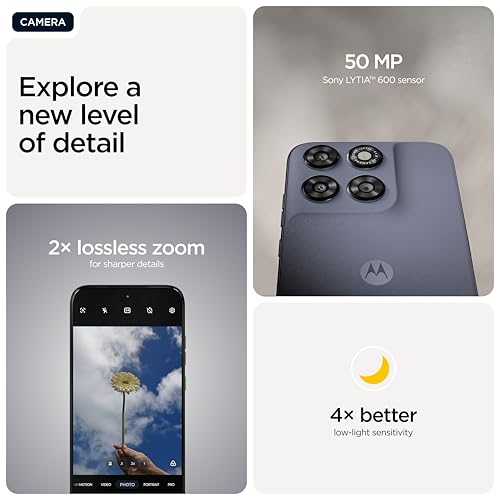
Camera specifications are often a focal point for many users. Look beyond the megapixel count and consider additional features such as image processing capabilities, low-light performance, and video recording options. Advanced features like AI enhancements, multiple lenses for different shooting scenarios, and specific functionalities such as image stabilisation or object erasers can contribute to overall photo and video quality. Assess whether the camera meets personal photography needs, whether for casual snapshots or more serious photography.
Battery Life and Charging Options
Battery life is a critical consideration when choosing a smartphone. Look for devices with a battery capacity of 5000 mAh or more, as these are generally capable of lasting through a full day of usage. Additionally, consider the charging options available. Some smartphones offer fast charging technologies, allowing users to recharge quickly. Features such as TurboPower or similar may reduce downtime, especially for those with a busy lifestyle. Consider how often the phone will need to be charged and whether the charging technology aligns with personal convenience.
Display Quality and Size
The display is one of the most frequently used features of a smartphone, and its quality can greatly impact the overall experience. Consider the screen size, resolution, and technology (such as AMOLED or Super AMOLED) when evaluating potential options. Larger screens are typically better for media consumption and multitasking, while smaller screens may be more portable. Pay attention to refresh rates as well, as higher rates can provide smoother scrolling and improved gaming experiences. Ensure the display meets individual preferences for reading, watching videos, or browsing the internet.
Footnotes
* Terms such as "best" and similar expressions reflect our personal assessment.
** Prices and availability may have changed since they were last retrieved. The price shown by the seller at the time of purchase applies.
Further important information
We may receive a commission if you make a purchase via the links on our site. This has no impact on the placement of the products on our site. Our website is part of amazon associates program - Amazon, Amazon Prime, the Amazon Logo and Amazon Prime Logo are registered trademarks of Amazon, Inc. or its affiliates. Disclaimer: